Transcript | Press Conference on the Theme of "Being the First Person Responsible for Your Own Health"
"Be the primary person responsible for your own health"
Thematic press conference
Transcript
(October 24, 2025)
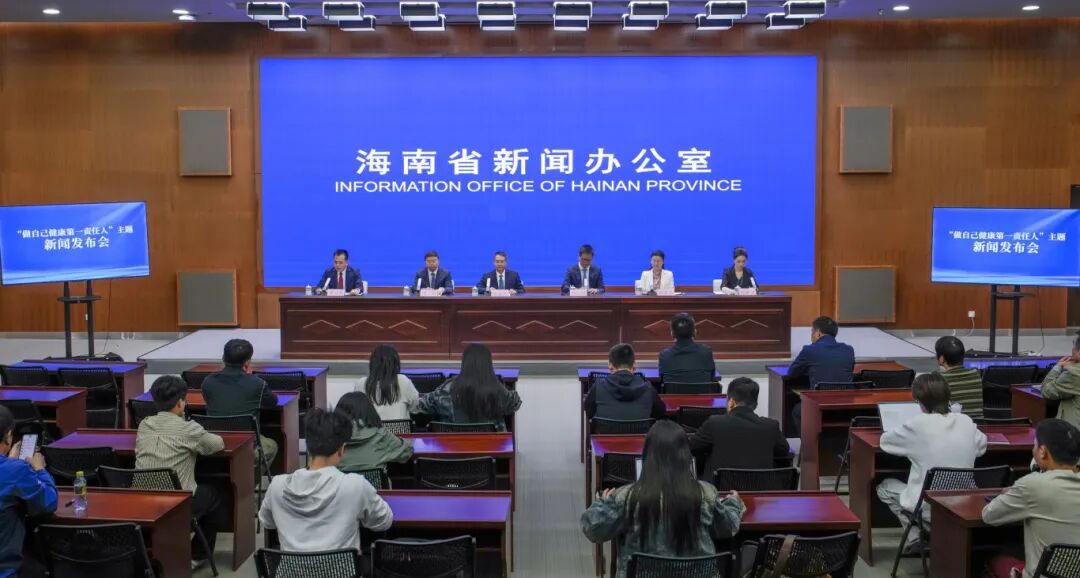
Chen Jianhong, Second-Level Inspector of the Health Commission of Hainan Province:
Good morning, friends from the media! The theme of today's press conference is "Be the First Person Responsible for Your Own Health." This is not just a slogan, but a reshaping of a concept, an action initiative for the health of all citizens, and an important practice for Hainan Province to thoroughly implement the "Healthy China" strategy and promote the construction of "Healthy Hainan."
Since the 18th National Congress of the Communist Party of China, the CPC Central Committee with Comrade Xi Jinping at its core has consistently prioritized people's health in its development strategy, making the major decision to "comprehensively advance the construction of a healthy China," and promoting the transformation of the health and medical care sector from a "disease-centered" approach to a "people-centered" approach. Prevention has become the most economical and effective strategy for safeguarding the health of the people. Against this backdrop, we have come to a deeper understanding that everyone is primarily responsible for their own health, and a healthy lifestyle is the strongest line of defense against disease. The Basic Medical and Health Care and Health Promotion Law of the People's Republic of China also clearly stipulates that "citizens are primarily responsible for their own health," establishing the individual's principal role in health maintenance from a legal perspective.
In recent years, the Hainan Provincial Party Committee and Provincial Government have attached great importance to the health of the people, treating the improvement of public health literacy, the strengthening of disease prevention and control, and the deepening of the patriotic health campaign as important tasks for improving people's livelihoods. We adhere to the principles of government leadership, inter-departmental collaboration, and public participation, accelerating the implementation of the Healthy Hainan Action and the action plan to improve life expectancy, and continuously creating conditions for the people to "be the primary responsible party for their own health." In 2024, the health literacy level of urban and rural residents in the province reached 30.78%, and the public's awareness of actively learning health knowledge, paying attention to their own health, and practicing civilized and hygienic habits has significantly increased, with healthy lifestyles gradually becoming a new social trend. Below, I will give a brief introduction to the relevant work.
First, we have strengthened top-level design and focused on building a collaborative framework for promoting "big health." Health is not just a matter for one department, but a systemic project. Our province is firmly implementing the new era's health policy of "prevention first," and building a health co-governance framework led by the government, with social collaboration and active individual participation. On the one hand, we have incorporated it into strategic deployments. We have deeply integrated the concept of "being the first person responsible for one's own health" into major policies such as the "Healthy Hainan Action (2020-2030)," clarifying the responsibilities of the government, society, and individuals, and forming a joint management mechanism. On the other hand, we have improved policy support. We have issued the "Hainan Province Action Plan for Improving Average Life Expectancy (2022-2025)," incorporating residents' health literacy levels into the high-quality development assessment indicators for cities and counties, and effectively promoting governments at all levels to take health promotion work seriously and implement it effectively. Furthermore, we have integrated resource networks. We have coordinated resources from primary healthcare institutions, community service centers, schools, enterprises, and other institutions to build a health education and service network covering urban and rural areas, promoting the "downward flow" of health knowledge and health services to all levels and ensuring coverage for everyone.
Second, we emphasize popular science education to bring health knowledge to ordinary people. Improving health literacy hinges on popularizing scientific health knowledge. First, we created branded programs. In collaboration with Hainan Radio and Television Station, we launched television programs such as "Healthy New Hainan" and "Health Science Popularization Lecture Hall," and produced short videos on topics such as balanced diet, scientific exercise, psychological adjustment, and disease prevention. Some of these new media works have garnered over 1.5 million views and received widespread praise from the public. Second, we carried out the "Health Knowledge Enters Every Household" campaign. We implemented the "Hundred Schools, Thousand Villages Learning Literacy" initiative, organizing experts to conduct health lectures, free medical consultations, and skills training in communities, villages, enterprises, and schools. We also leveraged major health days and the 24 solar terms to vigorously promote health tips, with a single message reaching over 80,000 households. Third, we established publicity platforms. We set up large-screen health public service advertisements at transportation hubs such as airports and high-speed rail stations, played health voice prompts on buses, and created "health-themed Chinese animation walls" in communities, integrating health culture into daily life.
Third, we focused on key populations and implemented precise health interventions. First, we protected students' health. In conjunction with the Provincial Department of Education, we promoted health education in the classroom, conducting training on the "66 Articles on Health Literacy." Utilizing the "First Lesson of the New Semester," we disseminated knowledge on mental health and myopia prevention to primary and secondary school students throughout the province, encouraging families to develop healthy habits. Second, we cared for working professionals. We promoted the implementation of systems such as workplace exercises, health checkups, and psychological support in government agencies and enterprises, advocating the concept of "healthy work, happy life" and enhancing the self-care awareness of working professionals. Third, we protected the elderly. In conjunction with the "2+3 Health Service Package," we strengthened health management for patients with chronic diseases such as hypertension and diabetes, providing personalized health guidance. We designed and produced 54 series of promotional materials on topics such as hearing health and weight management for the elderly, improving their self-management capabilities.
Fourth, innovate methods and approaches to stimulate public participation. First, promote the "Three Reductions and Three Healths" healthy lifestyle. Implement the "Hainan Province Action Plan for Healthy Lifestyles (2017-2025)," vigorously advocating "reducing salt, oil, and sugar intake, and promoting oral health, healthy weight, and healthy bones." Integrate health education into activities such as "10,000 People Walking," "Sunset Run," and "National Nutrition Week," making healthy living "dynamic and trendy." Second, effectively utilize information technology to empower health management. Promote electronic prescriptions for health education in 2,886 medical institutions across the province, providing patients with personalized dietary and exercise guidance, making health services more precise and convenient. Third, establish exemplary models. Conduct selection activities for "Healthy Families," "Health Experts," and "Top Ten Health Literacy Recommenders" for children and adolescents, using stories of healthy individuals to inspire public participation. Fourth, promote the integration of health into grassroots governance. Incorporate health concepts into village rules and community covenants, promoting a new community ethos of "everyone paying attention to health and everyone participating in health."
Fifth, highlighting Hainan's unique characteristics, we have strengthened mosquito prevention and control efforts. As a tropical region, the prevention and control of mosquito-borne infectious diseases such as dengue fever and chikungunya is a key focus of Hainan's public health work. For two consecutive years, the Provincial Party Committee and Provincial Government have launched patriotic health campaigns, taking the lead nationwide in implementing a ledger-based management system for mosquito breeding grounds, promoting the "seven-circle survey method," and mobilizing cadres and the public to widely participate in environmental remediation. Through the production of science videos, the screening of public service films, and the sending of text message reminders, we have comprehensively disseminated knowledge on mosquito prevention and control, enhancing the public's self-protection capabilities. Currently, the prevention and control of dengue fever and chikungunya in our province is progressing well.
Next, we will continue to deepen the concept that "everyone is primarily responsible for their own health," intensify health education and promotion, strengthen interventions for key populations, consolidate the achievements in mosquito prevention and control, and integrate health into all policies. Health is the foundation of happiness and the basis of development. Building a free trade port with Chinese characteristics cannot be achieved without the support of a healthy population. We urge every resident of Hainan to take action, starting with themselves and with small steps, to acquire health knowledge, practice healthy living, and be the primary person responsible for their own health! Let us join hands to build a healthier, more beautiful, and more vibrant Hainan!
Thank you everyone!
Liao Baoqi, Director of the Press Office and Spokesperson of the Publicity Department of the Hainan Provincial Committee of the Communist Party of China:
Thank you, Mr. Chen Jianhong, for your detailed introduction. Next, we will move on to the Q&A session. Please state your media organization before asking your question. We will now begin asking questions; please raise your hand.
>>>
Answering reporters' questions

Hainan News Network reporter from Hainan Radio and Television Station:
The national fitness craze remains strong, with many young and middle-aged people enjoying sports like running, hiking, and basketball. However, a common dilemma arises: while exercise is beneficial, it's easy to suffer injuries such as knee pain and ankle sprains. How can we exercise scientifically to achieve the desired training benefits while minimizing the risk of these injuries?
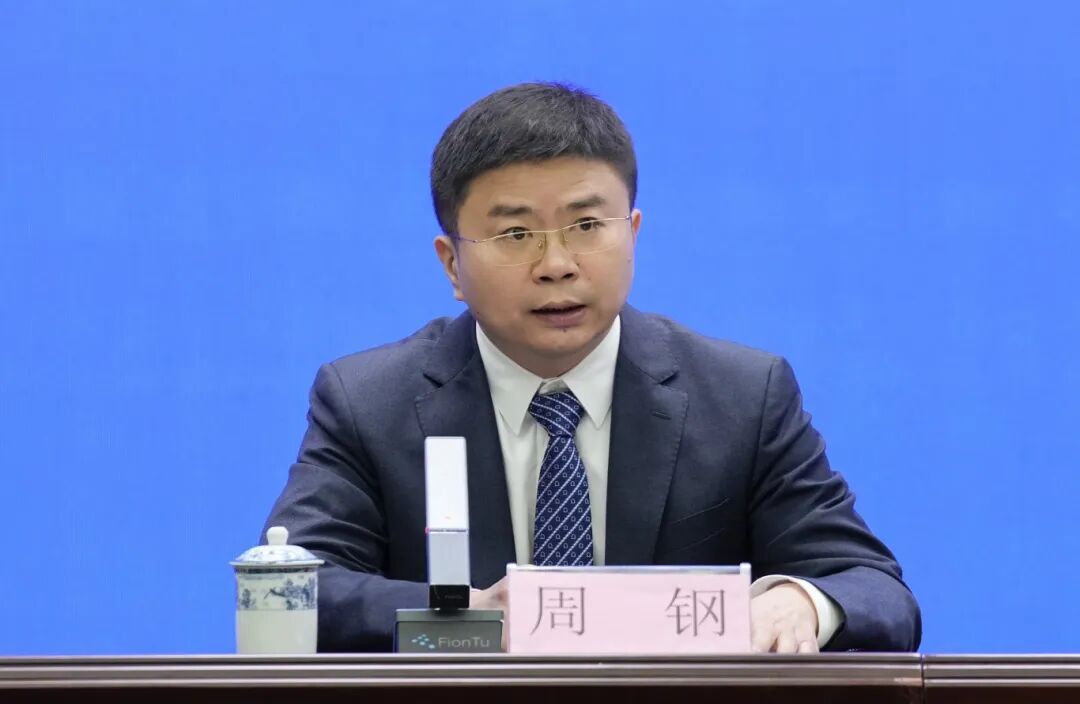
Zhou Gang, Director of the Joint Surgery Department at Hainan Provincial People's Hospital:
Thank you for the question, reporter. Knee and ankle injuries during exercise are indeed a common problem. To avoid injury while still achieving the benefits of exercise, there are actually three key points:
First, choosing the right sport is crucial. Young, healthy individuals can choose competitive sports like basketball or soccer. If you are middle-aged or have knee problems, swimming, cycling, or brisk walking are recommended as they are gentler on the joints. Just like choosing shoes, the best shoes are the ones that fit.
Secondly, exercise should be increased gradually, and beware of "weekend warriors." Many people are inactive during the weekdays and then suddenly engage in a lot of exercise on the weekend, which is most likely to cause injury. It is recommended to follow the "10% rule": the amount of exercise increased each week should not exceed 10% of the previous week, allowing the body to adapt slowly.
Third, take basic precautions. Always warm up for 5-10 minutes before exercising to get your body warmed up. Wearing cushioned athletic shoes is also crucial; this is the first line of defense for protecting your joints.
Finally, a reminder: exercise is for health, not for overexertion. If you experience recurring pain in the same area after exercise, this is your body sending a warning signal. Please rest and seek medical attention promptly; don't try to tough it out. Mastering these points will ensure that exercise truly benefits your health.
Answer complete, thank you!
Consumer Daily reporter:
We have now entered the last solar term of autumn – Frost's Descent. From the perspective of Traditional Chinese Medicine, what are the significant characteristics of this solar term? What core principles should the general public follow in their daily lives and diet to effectively maintain their health and lay a good foundation for the upcoming winter?

Cheng Yawei, Director of the Disease Prevention and Treatment Center at the Hainan Branch of Guangdong Provincial Hospital of Traditional Chinese Medicine:
Thank you for the question. Frost's Descent is the 18th of the 24 solar terms, and the last solar term of autumn. It follows the Beginning of Winter. Frost's Descent marks a transition from cool to cold weather. Traditional Chinese medicine believes this solar term has two significant characteristics: first, autumn dryness easily damages the lungs; second, cold easily damages Yang energy. In our daily lives and diet, we should pay attention to: moisturizing dryness and protecting the lungs, and keeping warm and protecting Yang energy.
To "moisturize dryness and protect the lungs," I recommend: Snow Pear, Lily Bulb, and Tremella Soup. Wash half a snow pear, remove the core, cut it into small pieces, add 10g of lily bulbs and an appropriate amount of tremella, and stew together. Add an appropriate amount of rock sugar according to taste. It is not recommended for people with diabetes to use too much, and they should not add sugar. You can also add some spleen-strengthening ingredients such as yam, barley, and lotus seeds.
"Keep warm and protect your yang energy" means paying attention to keeping your neck, abdomen, and feet warm, especially your feet. You can soak your feet in hot water or water boiled with mugwort and Sichuan pepper at night.
In addition, it is important to ensure sufficient sleep. It is recommended to go to bed at 11 p.m. and get up at 6 or 7 a.m., and avoid staying up late to prevent the depletion of Yang energy. As for exercise, it is recommended to practice traditional Chinese medicine exercises such as Baduanjin in the morning and evening, and avoid choosing exercises that are too strenuous or cause excessive sweating.
Answer complete, thank you!

Reporter from International Tourism Island Commercial Daily:
Mosquito prevention and control are crucial for preventing dengue fever and chikungunya. What are some effective and safe methods for individuals to prevent and control mosquitoes in their daily work and life?
Sun Dingwei, Deputy Director of the Institute of Tropical and Chronic Disease Prevention and Control, Hainan Provincial Center for Disease Control and Prevention:
Thank you for your question. The key to personal mosquito prevention and control lies in "eliminating breeding grounds and strengthening protection," reducing the number of mosquitoes at the source, and taking good care of oneself. Specifically, this involves the following two aspects:
1. Clear stagnant water and stop breeding.
Common tiger mosquitoes can breed in just a small amount of stagnant water, and their larvae emerge as adults in about 10 days. It is essential to check and thoroughly clean all types of stagnant water in and around your home weekly: promptly empty water from flowerpot trays and air conditioner/refrigerator drip trays; clean or turn over discarded bottles, cans, and plastic buckets; and carefully clean the inside of water containers to prevent any remaining insect eggs from hatching again.
II. Strengthen protection to avoid bites
At home, prioritize the use of screen doors and windows, mosquito coils, etc., and use aerosol sprays if necessary. When going out, wear light-colored long-sleeved shirts and trousers, and avoid lingering in shady areas, grassy areas, etc., during the early morning and evening when mosquitoes are most active. For prolonged outdoor activities, use repellents containing effective ingredients such as DEET or acetaminophen on your skin or clothing. Combining environmental cleanup with personal protection is the most direct and effective way to prevent mosquito-borne diseases such as dengue fever and chikungunya.
Answer complete, thank you!
Southern Daily reporter:
Does skipping meals really help with weight loss? What are the core methods for scientific weight loss?

Fu Jiaowen, Deputy Chief Physician of the Department of Nutrition, First Affiliated Hospital of Hainan Medical University:
Thank you for your question. Skipping meals (skipping breakfast or dinner) is not only ineffective for weight loss in the long run, but may also have the opposite effect, and is not a scientifically recommended method.
In the initial stages of skipping meals, the sudden reduction in total calorie intake may lead to rapid weight loss (mainly water and muscle loss), but this is an unsustainable illusion. Long-term skipping of meals has several negative effects: First, it lowers the basal metabolic rate, making one more prone to weight gain. Second, it causes a rebound effect in appetite. Skipping meals can lead to increased appetite at the next meal or the following day, with a stronger craving for high-calorie, high-sugar foods, easily resulting in overeating and ultimately higher total calorie intake. Third, it disrupts the endocrine system. Skipping breakfast or dinner causes significant fluctuations in blood sugar, with insulin levels rising sharply during meals, promoting fat storage. Fourth, it leads to muscle loss. Muscle is the primary energy-consuming component, and muscle loss further slows down metabolism.
The core of a scientifically sound weight-loss diet lies in adequate energy intake, balanced nutrition, and creating a sustainable calorie deficit. In daily life, maintaining good habits—eating three regular meals a day, eating until you're 80% full, and avoiding overeating; optimizing your diet by combining vegetables, fruits, protein, and staple foods in a balanced way; and maintaining a regular sleep schedule, getting enough sleep, and avoiding staying up late—will help you achieve weight loss. A sustainable calorie deficit is ideally achieved by keeping your daily calorie intake 300-500 calories lower than your total calorie expenditure.
Answer complete, thank you!

Reporter from Nanhai.com and Nanguo Metropolis Daily:
We've noticed that many retirees, ready to enjoy life, find themselves hampered by knee pain. Walking, climbing stairs, and squatting down all become difficult, often attributed to "joint degeneration" or "bone spurs." How can we effectively prevent this very common problem of osteoarthritis in our daily lives? And if pain has already occurred, what are some scientific and effective ways to manage and treat it?
Zhou Gang:
Thank you for your question. This is indeed a common concern for many middle-aged and elderly people, especially those who have just retired and are preparing to enjoy life. It pains us to see them struggling to walk and climb stairs due to knee pain. What people commonly refer to as "joint degeneration" or "bone spurs" is medically known as "osteoarthritis."
First, regarding effective prevention, I'd like to offer a few easy-to-implement suggestions for everyday life:
First, weight control is key. The knees are like the tires of a car; if the car is heavy, the tires bear a greater load. For older adults who are overweight, appropriate weight loss can help protect their knees.
Secondly, choose the right type of exercise. We recommend that middle-aged and elderly people engage in knee-friendly exercises such as swimming, walking, cycling, and Tai Chi. These exercises not only improve overall health but also reduce the burden on the knees. Avoid activities that require frequent squatting, climbing stairs, or jumping.
Third, pay attention to keeping warm and strengthening your muscles. Wear knee braces and apply simple heat to keep your knees warm when it's cold. At the same time, consciously do some leg raises to strengthen the muscles around the knee joint and improve its stability.
So, what should we do if our knees are already hurting?
Please remember this core principle: pain is your body's warning signal, so never try to tough it out.
During an acute attack of pain, the primary task is rest; avoid any activity that causes discomfort. Applying ice to the affected area can help reduce swelling and pain. During the pain relief period, gradually resume activity. Complete inactivity can lead to muscle atrophy and a recurrence of symptoms.
If symptoms persist or interfere with daily life—for example, if the pain occurs both day and night, or if walking less than 500 meters becomes unbearable due to pain—it is essential to see a doctor promptly. We offer many scientific treatment options, such as oral medications, topical applications, physical therapy, and minimally invasive surgery, all of which can effectively help relieve pain and improve function.
In short, knee problems are preventable and treatable. It is hoped that through scientific maintenance and timely treatment, every retired senior can enjoy comfortable and flexible knees, and peacefully experience a happy retirement.
Answer complete, thank you!

Health News reporter:
Does weight loss mean weight loss is effective? When it comes to weight loss, is it enough to focus on whether the weight loss is reasonable?
Fu Jiaowen:
Thank you for your question. First, why can't we only look at weight loss? Weight is a complex composition: it includes water, muscle, fat, bones, internal organs, etc. Daily weight fluctuations mainly come from changes in water and food residue. Weight loss does not equal fat loss, so how do we determine effective weight loss? It should be based on body composition analysis, including the water, muscle, and fat content. Effective medical weight loss is characterized by a decrease in body fat percentage, which is one of the key indicators of successful weight loss.
Secondly, the reporter asked how to scientifically determine effective weight loss. Body composition analysis, mentioned earlier, is the gold standard. Another important indicator is circumference measurement, including waist, hip, chest, and thigh circumference. Why is it that even if your weight hasn't decreased, your waist, thigh, and hip circumference have shrunk? This indicates you are reducing visceral and subcutaneous fat, and your body shape is becoming firmer. A reduction in waist circumference is one of the important indicators of improvement in central obesity. Furthermore, consider clothing feel and photographic records. Regularly take photos in the same location, under the same lighting and clothing for comparison; visual changes are more convincing than numbers. From a physiological and energy perspective, after weight loss, if you feel your exercise ability has improved, you can handle ordinary exercise, and you can challenge yourself with higher-intensity exercise, this is an effective weight loss experience. Hunger is controllable; you don't experience persistent, unbearable hunger.
To address the above issues, here are some scientific weight loss recommendations: First, maintain a balanced diet, adopting a sustainable eating pattern of "balanced nutrition + a moderate calorie deficit." Second, comprehensively assess effective weight loss, including using body composition, body circumference, clothing feel, and photographs to fully evaluate the results. Third, consider sleep an important part of your weight loss plan, ensuring 7-9 hours of high-quality sleep each night. Fourth, manage stress and relax your mind and body. Fifth, maintain patience and consistency; scientific weight loss is a spiral process with plateaus, so don't be discouraged. The key is to maintain a healthy lifestyle, rather than blindly pursuing rapid weight loss.
Answer complete, thank you!
Reporter from International Tourism Island Commercial Daily:
In autumn, especially late autumn, many people experience fatigue, low mood, and even "seasonal illnesses" such as cough and diarrhea. How does Traditional Chinese Medicine (TCM) understand and explain these phenomena? Could you provide some simple and easy-to-follow self-care tips for these common problems?
Cheng Yawei:
Thank you for your question. The phenomena you mentioned are all well explained in traditional Chinese medicine theory, and they are collectively referred to as "autumn fatigue," "autumn sadness," "autumn cough," and "autumn diarrhea."
These situations are all related to the changing seasons. In summer, the body consumes a lot of energy, and upon entering autumn, it may not fully adapt, leading to fatigue. In Traditional Chinese Medicine, autumn corresponds to the lungs among the five internal organs and is associated with emotions like sadness. The desolate scenery of autumn easily evokes feelings of sadness. Autumn's dryness and coldness can also damage the lungs and spleen, resulting in coughs and diarrhea. Here are some health tips:
To combat autumn fatigue: ensure sufficient sleep; it is recommended to go to bed by 11 pm and take a 15-30 minute nap at noon. Choose moderate and gentle exercises, such as walking, Tai Chi, or Baduanjin, which can help improve blood circulation and boost energy.
To cope with autumn melancholy: get plenty of sunshine, especially the morning sun. Listen to some light and cheerful music, climb to a high place and look out into the distance to broaden your mind.
For dealing with autumn coughs: In addition to the pear, lily bulb, and white fungus soup I just recommended, when experiencing a dry throat and cough, I suggest pressing the Lieque acupoint. The Lieque acupoint is located above the radial styloid process of the wrist. A simple way to locate it is to place your two thumbs together; the depression under the tip of your index finger is the Lieque acupoint. Gently press with your thumb until you feel a slight soreness or distension. You can press it several times a day to relieve discomfort.
To manage diarrhea: Keep your abdomen warm. You can boil ginger and jujube tea (3 slices of ginger, 3-5 jujubes, break the jujubes open and remove the pits, then boil them together in water). You can also frequently massage the Zusanli acupoint. The Zusanli acupoint is located four finger-widths below the depression on the outer side of the knee. In addition to frequently massaging the Zusanli acupoint, you can also choose to apply heat or use moxibustion in daily life, both of which can help strengthen the spleen and stop diarrhea.
Here, we hope that these simple methods can help everyone smoothly navigate the autumn and winter transition and truly become the primary person responsible for their own health.
Answer complete, thank you!
主办单位:海南省卫生健康委员会 地址:海南省海口市美兰区海府路40号 中文域名:海南省卫生健康委员会.政务
任何建议和意见请联系:hnswshjhsywyh@126.com 技术支持:海南省卫生健康委员会信息中心、海南信息岛技术服务中心
琼ICP备2023011375号-4  琼公网安备 46010802000007号 政府网站标识码:4600000044 邮编:570203
您访问的链接即将离开“海南省卫生健康委员会”门户网站
是否继续?
电脑版|手机版
主办单位:海南省卫生健康委员会
中文域名:海南省卫生健康委员会.政务
任何建议和意见请联系:hnswshjhsywyh@126.com
技术支持:海南信息岛技术服务中心、海南省卫生健康委员会信息中心
地址:海南省海口市美兰区海府路40号 邮编:570203
琼ICP备2023011375号-4 网站标识码 4600000044