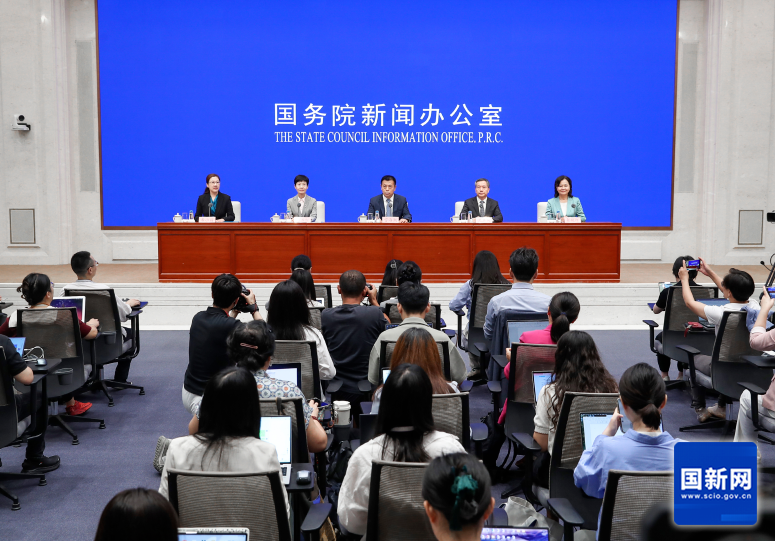
The State Council Information Office will hold a press conference on the theme of "High-Quality Completion of the 14th Five-Year Plan" at 10:00 a.m. on Thursday, September 11, 2025. Lei Haichao, Director of the National Health Commission; Shen Hongbing, Vice Director of the National Health Commission and Director of the National Center for Disease Control and Prevention; Guo Yanhong, Vice Director of the National Health Commission; and Yu Yanhong, Member of the Party Leadership Group of the National Health Commission and Director of the State Administration of Traditional Chinese Medicine, will introduce the achievements of health work during the 14th Five-Year Plan period and answer questions from reporters.
Shou Xiaoli, Director of the Press Bureau and Spokesperson of the State Council Information Office:
Ladies and gentlemen, good morning. Welcome to the press conference held by the State Council Information Office. Today, we are holding a series of press conferences on the theme of "High-Quality Completion of the 14th Five-Year Plan." We are very pleased to have with us Mr. Lei Haichao, Director of the National Health Commission, to introduce the achievements of health work during the 14th Five-Year Plan period and answer your questions. Also present at today's press conference are: Mr. Shen Hongbing, Vice Minister of the National Health Commission and Director of the National Bureau of Disease Control and Prevention; Ms. Guo Yanhong, Vice Minister of the National Health Commission; and Ms. Yu Yanhong, Member of the Party Leadership Group of the National Health Commission and Director of the State Administration of Traditional Chinese Medicine.
Next, we would like to invite Mr. Lei Haichao to give an introduction.Lei Haichao, Director of the National Health Commission:
Good morning, friends from the media, ladies and gentlemen! First of all, I would like to thank our friends from domestic and foreign media for their long-term concern, help and support for health and medical work.
The health and wellness work during the 14th Five-Year Plan period was an extraordinary five years. Under the strong leadership of the CPC Central Committee with Comrade Xi Jinping at its core, the Party's leadership over health and wellness work was comprehensively strengthened, the institutional advantages were fully utilized, and the capacity, accessibility, and equity of health and wellness services were continuously improved and enhanced. In particular, the health level that the people value was also continuously improved.
Firstly, we have adhered to the principle of prevention first and built the world's largest disease prevention and control system. We have continuously carried out the Patriotic Health Campaign, with the general public actively participating and taking action, resulting in a continuous improvement in their health knowledge and literacy. Through years of effort, a comprehensive disease prevention and control system covering the central, provincial, municipal, and county levels has been established and improved, with its service and support capabilities comprehensively enhanced. We have included 18 public health actions related to the public in the Healthy China Initiative, further mobilizing social forces to participate in health work. According to surveys, residents' health literacy has continued to improve, rising from 23.2% in 2020 to 31.9% in 2024. It can be said that a social atmosphere where the public appreciates, learns about, and puts into practice health knowledge is taking shape.
We established a press conference on "Seasonal Terms and Health," which some of our media friends may have participated in. Every two weeks, we communicate with the public about health issues to be aware of in daily life, based on the changing seasons and utilizing the advantages of traditional Chinese medicine. This has been well-received by the public. In addition, since last year, in response to the increasing prevalence of chronic diseases in China, we have launched a healthy weight management campaign, which has received widespread support from the public. Medical institutions at all levels have actively provided healthy weight management outpatient services, laying a solid foundation for residents' health. Furthermore, we provide immunization services for 15 diseases to residents, further protecting and improving residents' health through prevention and reducing the risk of infectious diseases. According to monitoring, the premature mortality rate from major chronic diseases has been further controlled, and the incidence of infectious diseases such as tuberculosis, hepatitis B, and AIDS has continued to decline or remained at low prevalence levels.
Secondly, we have built the world's largest healthcare service system, with both service quality and efficiency significantly improved. We have continued to promote the downward and balanced distribution of medical resources, and have advanced the construction of national medical centers, national regional medical centers, and provincial regional medical centers, thus improving service accessibility and quality. According to monitoring, the gap in medical resources per thousand people between the eastern, central, and western regions is narrowing. We have just launched the "Strengthening the Foundation of Healthcare" project, and yesterday the Chinese government website released the implementation plan and main contents of the project. Over the next five years, we will further strengthen the construction of the healthcare service system, focusing on primary care, enhancing its capacity and accessibility, promoting collaboration between medical institutions at different levels, and better providing health services to residents.
Over the past five years, we have promoted the construction of closely integrated county-level medical consortia, further strengthening the collaborative relationships among medical institutions. As I mentioned earlier, we have the world's largest healthcare service system, including traditional medicine services, which boasts the widest coverage and strongest capabilities globally. We have consistently adhered to the principle of giving equal importance to traditional Chinese and Western medicine, promoting the effective integration of these two approaches. Statistics show that by the end of 2024, the total number of medical and health institutions nationwide had reached 1.09 million, practically covering both urban and rural areas, with over 90% of residents able to reach the nearest medical service point within 15 minutes. Furthermore, the number of healthcare service personnel has continuously expanded, reaching 15.78 million by the end of last year, creating favorable conditions for providing better health services to the public. In addition, we have focused on improving service efficiency, extensively implementing minimally invasive and day surgery procedures, allowing many patients to complete surgical treatment within 24 hours with minimal hospitalization, greatly facilitating patients and improving efficiency. We have achieved high healthcare service output with relatively low resource input, thanks in large part to the hard work and significant contributions of our medical staff.
Thirdly, we have continued to deepen reform and innovation, further highlighting the public welfare nature of the medical and health care system. We have promoted the coordinated development and governance of medical services, medical insurance, and pharmaceuticals, maintaining basic medical insurance coverage at over 1.3 billion people, stable at around 95%, significantly reducing the financial burden of medical expenses for the general public. Furthermore, we have continued to provide counterpart support and group-based assistance to key provinces and remote areas, particularly Tibet, Xinjiang, and Qinghai, where group-based assistance has significantly improved local service capabilities. Starting this year, we have required all tertiary public hospitals nationwide to conduct mobile medical services, which has become an institutional arrangement for health services. We have organized 82 national mobile medical teams from high-level tertiary hospitals, national medical centers, and regional medical centers to conduct mobile medical services throughout the country. In addition, provincial mobile medical service teams have also been established and will carry out relevant service activities. Our goal is to extend mobile medical services to all resource-poor counties, allowing people to access relatively high-quality medical and health services as conveniently as possible. In addition, we are also advancing the work related to deepening the reform of the medical and health system. We adhere to the public welfare orientation in terms of dynamic adjustment of staffing, adjustment of medical service prices, and reform of salary system. We promote the medical reform experience of Sanming, Fujian. Together with the Ministry of Finance, we support 70 national demonstration projects for the reform and high-quality development of public hospitals, which have achieved positive results.
Fourthly, we have focused on issues affecting people's daily lives, further enhancing their sense of well-being regarding health. As I mentioned earlier, traditional Chinese medicine services are now widely available in urban and rural medical institutions, gaining the trust and welcome of the public. Furthermore, the funding for basic public health services has increased to 99 yuan per capita, allowing us to incorporate more health service projects and content into these programs. Additionally, we are strengthening the capacity building for services such as pediatrics, mental health, and hemodialysis. This year, we publicly pledged nationwide to provide practical services to the people in eight areas, and according to monitoring, progress in these eight areas is good.
Fifthly, we are actively improving the fertility support system to promote high-quality population development. Together with relevant departments and local governments, we have successively introduced a series of comprehensive fertility support policies and measures, such as extending maternity leave, strengthening pregnancy services, implementing personal income tax deductions for childcare expenses, and gradually promoting free preschool education, to reduce the costs of childbirth, raising children, and education. We have vigorously developed inclusive childcare services, reaching 4.1 childcare places per 1,000 people by the end of last year. This year, we began implementing a childcare subsidy system, and eligible internet users are currently applying and registering online and offline. According to the latest statistics, as of yesterday, the number of applicants had exceeded 80%, and the information system is currently operating well, with residents reporting that the application process is convenient and efficient.
Sixth, we uphold openness and cooperation, and promote the building of a global community of health for all. We resolutely implement the four major initiatives of global development, security, civilization, and governance, and strengthen health cooperation under the Belt and Road Initiative. The World Congress of Traditional Medicine, held in Beijing at the end of last year, achieved positive results. my country has been providing foreign medical assistance to other developing countries for over 60 years, sending medical teams to 77 countries and regions, providing excellent medical services to local residents, and receiving high praise and commendation from recipient countries. More than 2,000 medical personnel have received national honors and awards from recipient countries, demonstrating China's responsibility as a major power.
Over the past five years, we have adhered to the principles of putting people first and prioritizing life, resulting in a continuous improvement in the health of our residents. Statistics show that by the end of last year, the average life expectancy in China reached 79 years, with eight provinces exceeding 80 years. Infant mortality and maternal mortality rates have continued to improve, and the overall health of residents has steadily increased. Looking at historical comparisons, the average life expectancy in 2024 is 1.1 years higher than in 2020, a rate of improvement that is considered positive even for a developing country.
Let me first introduce these points to our friends from the media. Next, my colleagues and I will answer your questions. Thank you!
Shou Xiaoli:
Thank you, Director Lei Haichao, for your introduction. We will now begin the Q&A session. Please state your news organization before asking your question.
People's Daily reporter:
In recent years, the National Health Commission has vigorously implemented the Healthy China strategy and promoted the establishment of a high-quality and efficient medical and health service system with Chinese characteristics. How is this service system progressing? What achievements have been made in improving the public's experience of seeking medical care? Thank you.
Lei Haichao:
Thank you for your question. I will briefly answer it. Following the working goal of "major illnesses treated within the province, general illnesses treated at the city/county level, and routine illnesses treated at the grassroots level," we strive to address the urgent needs and concerns of the people regarding medical care, providing comprehensive and full-cycle health services to residents. I will mainly introduce the progress from the following aspects:
First, we are optimizing the allocation of medical and health resources to make resources and services more accessible to residents. We are promoting the extension and downward flow of high-quality medical resources to the central and western regions, the northeastern region, and densely populated cities and grassroots areas within provinces. As I mentioned earlier, we have established national medical centers nationwide, with 26 centers in 13 categories currently in place. In conjunction with relevant local authorities, we are establishing national regional medical centers in some cities within provinces, with 125 already established. Some provinces are also constructing provincial-level medical centers; according to our statistics, 114 provincial-level medical centers are under construction, some have been completed, and have begun providing high-quality and convenient medical and health services to the public. Furthermore, we are promoting pairing assistance between urban public hospitals and county-level hospitals and community health service centers, aiming to bring experts from higher-level hospitals to patients' "doorsteps" to provide medical services. This also helps improve the diagnostic and treatment levels and capabilities of grassroots healthcare providers. As I mentioned earlier, the nationwide mobile medical service program has been established as an institutional arrangement and will continue to be carried out across the country. Mobile medical services will play a significant supporting role in optimizing resource allocation, especially in promoting assistance from tertiary and secondary hospitals to primary care facilities.
Second, we are promoting tiered medical services and improving the continuity of healthcare. We are urging all levels and types of medical and health institutions to fulfill their functional roles, improve the first-visit responsibility system, strengthen referral services, and establish a comprehensive remote service network. We have implemented a service model of "distributed examination and centralized diagnosis" and promoted the mutual recognition of laboratory test results. Since the beginning of this year, we have abolished outpatient prepayment fees for medical institutions, and the level of inpatient prepayment fees has also been adjusted and reduced accordingly. This measure has been welcomed by the people. According to statistics, as of August this year, 338 prefectures (autonomous regions, leagues) nationwide have mutually recognized more than 200 medical examination chemical items, and county-level medical imaging, electrocardiogram, and other resource sharing centers and central pharmacies have been widely established. Pilot projects for integrated urban medical groups are underway in 81 cities nationwide, and 2,199 counties and districts have carried out the construction of integrated county-level medical consortia. In 2024, the number of medical visits for two-way referrals nationwide reached 36 million, an increase of 46% compared to 2020, making it more convenient for people to travel between different areas.
Third, we will promote the high-quality development of public hospitals and continuously improve the public's experience in seeking medical care. We will promote the medical reform experience of Sanming, Fujian Province, tailored to local conditions. The State Council established a coordination mechanism for deepening the reform of public hospitals, and just last week, the mechanism held its first plenary meeting. In our future work, we will further promote the medical reform experience of Sanming, Fujian Province, adhering to the public welfare orientation, so that public hospitals can play a more active and effective role in serving the public. According to our statistics, through the implementation of the action plan to improve medical services, 87% of secondary and above public hospitals have launched appointment-based medical services, shortening outpatient waiting times. More than 5,500 hospitals have established "one-stop" service centers, and the multidisciplinary integrated diagnosis and treatment service model has been promoted to more than 2,000 secondary and above hospitals. 83% of tertiary public hospitals have launched day surgery services, allowing patients to resolve their health problems without prolonged hospitalization. In addition, we have piloted a no-accompaniment care service, with more than 4,000 medical institutions providing home care services to residents through "Internet + nursing services," offering more than 60 different services. The number of internet hospitals nationwide has reached 3,756, allowing residents to access medical services via their mobile phones. Statistics show that internet hospitals provided 130 million consultations last year, greatly facilitating people's access to healthcare. Furthermore, to meet the diverse and multi-tiered healthcare needs of residents, Sino-foreign joint ventures and wholly foreign-owned hospitals have been established in China, with over 60 such institutions reported.
This year, we have also increased our efforts in providing pediatric and mental health services. I would like to report that 99.5% of tertiary public general hospitals and 98.4% of secondary public general hospitals can now provide pediatric medical services. Our goal is that by the end of this year, all secondary and tertiary public general hospitals will be able to provide pediatric medical services. In addition, 99% of prefecture-level cities have at least one hospital providing mental health services, and 97% of prefecture-level cities have at least one hospital providing sleep health services. This has provided significant help in alleviating anxiety and addressing emotional issues among some residents. Furthermore, as our journalist friends may know, we began promoting the nationwide rollout of the "12356" psychological assistance hotline at the beginning of this year. By May 1st, this goal of nationwide rollout had been achieved, and every prefecture-level city can now provide psychological counseling and health services to residents through the "12356" psychological assistance hotline. Thank you.
Shandong TV reporter:
The health needs of the elderly and children are among the most pressing issues in people's livelihoods. With their health needs growing, how can we safeguard the health of these two groups?
Lei Haichao:
Please have Deputy Director Guo Yanhong answer.
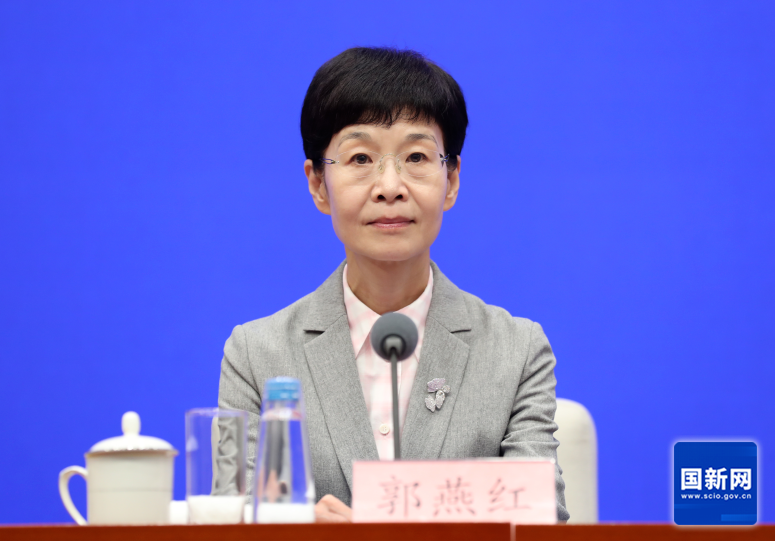
Guo Yanhong, Vice Minister of the National Health Commission:
Thank you for your question. The National Health Commission focuses on the two key groups of the elderly and children, and has formulated and implemented a series of policies and measures to promote healthy aging, promote the healthy growth of children, and make the "sunset" warmer and the "sun" brighter.
First, focusing on the elderly, we are promoting the upgrading of elderly health services. Regarding the service system, by the end of 2024, there was one National Center for Geriatric Medicine and six National Clinical Research Centers for Geriatric Diseases nationwide. There were 6,151 general hospitals at or above the secondary level with geriatric medicine departments, accounting for 84.6% of all general hospitals. In terms of service optimization, we are promoting the construction of elderly-friendly medical institutions. "Green channels" for the elderly have been established in 94.4% of public hospitals at or above the secondary level, and medical social workers have been assigned to assist the elderly with their medical visits. We are promoting the transformation of elderly medical services from a single-disease model to a multi-disease comprehensive treatment model. We are vigorously developing elderly nursing, home-based nursing, and "Internet + nursing services." In terms of health management, we currently provide approximately 140 million health management services annually to people aged 65 and above. By 2025, free health checkups for the elderly will include digital chest X-rays and glycated hemoglobin testing, providing initial screening for cognitive function, and promoting tiered and categorized health services based on the age and health status of the elderly.
Second, we focus on "small children" and strive to improve pediatric service capabilities. In terms of the service system, three national children's medical centers and six national regional children's medical centers have been established nationwide. The construction of pediatric specialty alliances is being promoted, driving improvements in the diagnosis and treatment of major and complex pediatric diseases. The vast majority of secondary and tertiary public general hospitals can provide pediatric services, while 80% of primary healthcare institutions can also provide diagnosis and treatment services for common childhood illnesses. Regarding pediatric medical resources, as of the end of last year, the number of practicing (assistant) pediatricians reached 243,900, an increase of 49.3% from 163,400 in 2020; the number of beds per 1,000 children reached 2.47, an increase of 13.3% from 2.18 in 2020, significantly improving service accessibility and professionalism. In terms of service optimization, we have carried out the construction of child-friendly hospitals, the ward renovation to be more child-friendly, and the addition of children's "care spaces."
In addition, through the National Basic Public Health Service Program, health checkups and guidance are provided to children aged 0-6 in urban and rural areas nationwide, serving approximately 80 million children annually. Addressing the prominent issue of myopia among children, we conduct eye care and vision screening programs for children aged 0-6, achieving a coverage rate of 95.4% in 2024. To protect adolescents from the harms of tobacco, we actively promote the construction of smoke-free environments, including smoke-free schools, strengthen public health education, and guide young people to recognize their responsibility as the primary person in charge of their own health. Through these efforts, the rates of myopia and smoking among Chinese adolescents have shown a downward trend. Thank you.
China News Service reporter:
Disease control work is closely related to the health of the people and is a key line of defense for protecting public health. What work has the disease control department done to safeguard people's health and serve the public? Thank you.
Lei Haichao:
Thank you for your question. Mr. Shen Hongbing will answer this question.
Shen Hongbing, Vice Minister of the National Health Commission and Director of the National Bureau of Disease Control and Prevention:
Thank you for your question, journalist. Serving the people is the fundamental purpose of our Party. We have always adhered to our original aspiration and mission, focusing on preventing and mitigating the risks of major epidemics, promoting the implementation of measures that benefit the people, and using the positive results of disease prevention and control to enhance the people's sense of gain, happiness, and security.
First, we strictly adhered to the bottom line of public health, creating a healthy and safe social environment. We optimized and adjusted our prevention and control policies and measures in response to changing circumstances, contributing to a major and decisive victory in the fight against COVID-19; we rapidly detected and promptly dealt with emerging infectious diseases such as monkeypox (type Ib); we eradicated outbreaks of traditional infectious diseases such as cholera as soon as they were discovered; and we effectively controlled local outbreaks of dengue fever and chikungunya, firmly upholding the bottom line of preventing large-scale epidemics. We made every effort to ensure post-disaster health and disease prevention, achieving zero major epidemics after each major earthquake and flood. We fully supported major events, contributing our disease control capabilities to the successful hosting of the Beijing Winter Olympics, the Hangzhou Asian Games, and the Chengdu World Games.
Second, we controlled key infectious diseases to safeguard the health of the people. We successfully obtained World Health Organization certification for malaria elimination, marking another significant milestone in my country's disease prevention and control history. The incidence of tuberculosis and hepatitis infection levels continued to decline nationwide, and HIV/AIDS remained at a low prevalence level. Schistosomiasis transmission was blocked nationwide, and the incidence of key parasitic diseases also dropped to historical lows.
Third, we strengthen health education to improve the public's disease prevention capabilities. We release weekly monitoring results of multiple pathogens of respiratory infectious diseases, and organize authoritative experts to provide popular science interpretations of disease characteristics, transmission routes, and protective measures for key diseases of public concern such as tuberculosis and influenza. In conjunction with the seasonal epidemic patterns of diseases, we release information on the situation and prevention and control of key infectious diseases in advance of epidemic seasons and major holidays, conduct health risk warnings, and advocate healthy lifestyles. We also jointly issue high-temperature health risk warnings and health tips with the China Meteorological Administration, providing the public with scientific and practical health guidelines for high-temperature weather.
Fourth, we will implement measures to benefit the people and improve service efficiency and public satisfaction. We have optimized and adjusted the DPT vaccine immunization schedule, carried out polio vaccine catch-up vaccination, and this year the country will also launch HPV vaccination services for eligible girls and include the HPV vaccine in the national immunization program to protect women's health. At the same time, we are promoting the construction and application of electronic vaccination certificates nationwide, optimizing the layout of vaccination units to facilitate convenient vaccination for the public, and encouraging local governments to introduce policies such as time-slot appointments, weekend vaccinations, and home vaccinations for special groups to meet the diverse vaccination needs of the public, reducing travel and waiting times, and significantly improving public satisfaction. Thank you!
CCTV reporter:
Ordinary people all hope to receive timely and convenient medical and health services near their homes. How has the National Health Commission been working diligently to improve the accessibility of these services? Thank you.
Lei Haichao:
Thank you for your question. I will answer it. Primary healthcare institutions are distributed throughout urban and rural areas, communities, streets, townships, and villages. People generally hope to have convenient access to medical care; this is their primary wish. According to our statistics, from 2020 to 2024, the number of primary healthcare institutions increased from 970,000 to 1.04 million, and the corresponding number of healthcare personnel increased from 4.34 million to 5.26 million, with outpatient visits increasing from 4.1 billion to 5.3 billion. This indicates that people are increasingly utilizing primary healthcare services, and the proportion of outpatient visits to primary healthcare institutions nationwide has also shown an upward trend in recent years.
In recent years, we have made great efforts to improve medical services. As mentioned earlier, we have comprehensively promoted the construction of closely integrated county-level medical consortia, implemented the "High-Quality Services at the Grassroots Level" campaign, and promoted the implementation of various convenient and beneficial measures at the grassroots level, focusing on strengthening the construction of departments such as general practice, pediatrics, rehabilitation, and traditional Chinese medicine that are needed by the people. 95% of urban community health service centers have extended outpatient hours or holiday outpatient services; 85% of community health service centers and township health centers provide weekend immunization clinic services; we have enriched the content of family doctor contract services, emphasizing the sense of accomplishment from signing up, and providing better health services for key populations, especially the elderly, children, and women; at the same time, we have expanded the drug catalog of primary healthcare institutions. According to monitoring, the number of drugs for common and frequently occurring diseases at the grassroots level has increased by 42, improving the accessibility of drugs at the grassroots level. 95% of community health service centers and township health centers can now provide long-term prescription services, reducing patients' travel between home and medical institutions, and allowing prescriptions to be filled for up to two to three months at a time.
Secondly, we have made great efforts to support grassroots healthcare. We have dispatched mid-to-senior level medical personnel from county-level medical institutions to provide long-term support to township health centers and community health service centers. On the one hand, this directly addresses the issue of access to medical care for the public; on the other hand, it helps townships and community health centers improve their medical and health service capabilities, and promotes the improvement of grassroots service levels through new organizational methods such as telemedicine and mobile medical services. We have implemented the Special Post Program for General Practitioners and the Rural Order-Oriented Free Medical Student Training Program. In recent years, we have jointly implemented the Special Program for College Graduates to Serve as Rural Doctors with relevant departments such as the Central Organization Department, the Ministry of Finance, the Ministry of Human Resources and Social Security, and the Ministry of Education. This program ensures that college graduates who volunteer to work in rural areas are given positions in township health centers. In recent years, more than 10,000 college graduates have volunteered to provide medical and health services at the village level.
Thirdly, we have made great efforts to ensure adequate investment. Central and local governments have continuously increased their investment in primary healthcare services, with the per capita government subsidy for basic public health services rising from 74 yuan in 2020 to 99 yuan this year. The scope of services has been continuously expanded. As Comrade Guo Yanhong just introduced, the services for the elderly and children are now available. According to statistics, we have provided basic medical and health services to key populations for over 1 billion people. The service content has also been continuously optimized and adjusted. Furthermore, in conjunction with the National Healthcare Security Administration, we have included qualified village clinics in villages into the basic medical insurance system, increasing the coverage rate of administrative villages to 97%. This allows people to receive medical treatment and reimbursement at their local clinics, greatly facilitating the public.
As I just mentioned, on August 29th, the State Council executive meeting reviewed and approved the "Strengthening the Foundation of Medical and Health Services" project. In the coming period, we will focus on these three aspects—"grassroots, foundational, and basic"—to further strengthen capabilities and improve standards. We will apply new digital and intelligent medical service technologies, further increase support from higher-level medical and health resources to lower-level institutions, and enhance their collaborative relationships to provide the people with safe, effective, systematic, and convenient medical and health services. Thank you.
Farmers' Daily reporter:
People are increasingly choosing to see traditional Chinese medicine (TCM) practitioners, and it's becoming more and more convenient to access TCM services near their homes. In recent years, in what ways has the capacity of TCM services improved? Thank you.
Lei Haichao:
This question will be answered by my colleague, Director Yu Yanhong.
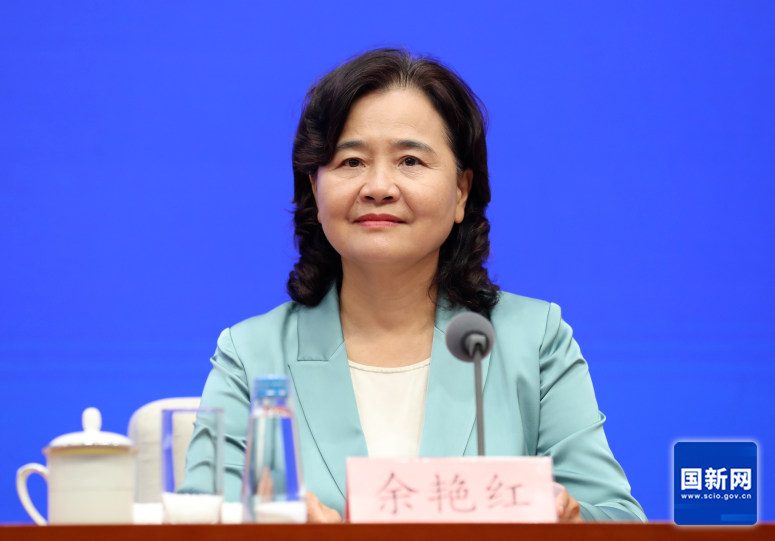
Yu Yanhong, member of the Party Leadership Group of the National Health Commission and Director of the State Administration of Traditional Chinese Medicine:
Thank you for your question. Making it convenient for the people to access traditional Chinese medicine and use Chinese herbal medicine with confidence has always been our direction and goal. Since the 14th Five-Year Plan, we have adhered to the principle of putting people's health first, and have insisted on increasing investment and innovating mechanisms at the same time. We have focused on building high-level platforms, strengthening grassroots healthcare, addressing shortcomings, and optimizing the overall layout, so that the unique advantages of traditional Chinese medicine in Healthy China have been fully utilized.
First, the TCM service system has been continuously optimized and improved. Through the construction of national TCM medical centers and TCM inheritance and innovation centers, a number of TCM highlands have been created. Through the construction of national regional medical center TCM projects and key TCM-featured hospitals, the expansion and balanced distribution of high-quality TCM medical resources have been promoted. The coverage rate of county-level TCM medical institutions has reached 96%, and many county-level TCM hospitals have taken the lead in establishing closely integrated county-level medical consortia. Approximately 90% of public general hospitals at or above the secondary level have established TCM clinical departments, and community health service centers and township health centers have basically established TCM clinics. The TCM service network from urban to rural areas is becoming increasingly dense, forming a TCM service system that integrates prevention, healthcare, disease treatment, and rehabilitation, with national TCM medical centers and regional TCM medical centers as the leading institutions, TCM medical institutions at all levels and other medical institutions as the backbone, and primary healthcare institutions as the foundation. This allows people to access TCM services right in their own communities.
Second, the supply of traditional Chinese medicine (TCM) services has been continuously improved in quality and expanded in scale. With enhancing the disease prevention and treatment capabilities of TCM as the core, efforts have been made to build national-level leading TCM specialties, flagship hospitals and departments for TCM-Western medicine collaboration, and to carry out clinical collaboration between TCM and Western medicine for major and complex diseases, consolidating and expanding the unique advantages of TCM. Many comprehensive hospitals have established mechanisms for the collaborative development of TCM and Western medicine and multidisciplinary treatment systems, conducting joint ward rounds and joint consultations between TCM and Western medicine physicians, releasing the combined advantages of both medical systems, and significantly improving the clinical efficacy of treatments for tumors, cardiovascular and cerebrovascular diseases, and infectious diseases. The integration of TCM and Western medicine, and the combined use of TCM and Western medicine, is a major characteristic of China's epidemic prevention and control. In 2024, the total number of TCM outpatient visits nationwide increased by 60% compared to the end of the 13th Five-Year Plan period.
Third, high-quality services have further highlighted the warmth of traditional Chinese medicine (TCM). Through hospital performance monitoring and accreditation, TCM hospitals are guided to leverage their unique strengths. A campaign to improve TCM services has been launched, promoting the patient-centered approach throughout all aspects of medical services. The bureau's website has launched a "Convenient Medical Care Navigation" platform, providing the public with convenient access to TCM medical information and appointment booking information. Simultaneously, high-quality publications such as the "China Traditional Chinese Medicine Conference" and "The Fragrance of Materia Medica" have been released, and regular press conferences on TCM health promotion in the "Healthy China" initiative are held to promote TCM health knowledge to the general public. Thank you!
Hong Kong Bauhinia Magazine reporter:
The National 14th Five-Year Plan outlines the need to "strengthen the national public health protection network and reform the disease prevention and control system." What are some of the landmark achievements in the field of disease control over the past five years? Thank you.
Lei Haichao:
Comrade Shen Hongbing will answer this question.
Shen Hongbing:
Thank you for your question. The 14th Five-Year Plan period was a five-year period of systematic restructuring and rapid development of the national disease control system. The CPC Central Committee and the State Council made major decisions and plans to reform and improve the disease control system. A modern disease control system with Chinese characteristics was initially established, and the core capabilities of disease control achieved a leapfrog improvement.
First, the governance mechanism is more coordinated. Disease control bureaus have been established at all levels, from the national to the local, strengthening business leadership and work coordination, and a nationwide coordinated work pattern has been initially formed. Party committees and governments at all levels have established joint prevention and control mechanisms to coordinate various departments and units to jointly carry out prevention and control work. Various forms of cross-departmental and cross-regional information sharing, consultation, and linkage mechanisms have been established. Medical-prevention collaboration and integration have been promoted, and pilot programs have been launched for systems such as appointing disease control supervisors in medical institutions and granting prescription rights to public health physicians. Public health committees have been established in village (community) committees to enhance grassroots governance capabilities.
Second, monitoring and early warning are more sensitive. The infectious disease surveillance system covers 84,000 medical institutions, 28,000 fever clinics, and 1,041 sentinel hospitals nationwide. Monitoring channels have expanded from fever clinics and sentinel hospitals to pathogenic microorganism laboratories, vector-borne disease monitoring stations, and urban sewage monitoring sites. Syndrome monitoring has also expanded from one category to five, covering more than 90 pathogens. The implementation of "simultaneous monitoring of multiple diseases and multiple tests for the same sample" has significantly improved monitoring efficiency. A national and provincial integrated regional infectious disease monitoring, early warning, and emergency command information platform has been built, and intelligent monitoring and early warning pre-emptive software has been deployed and applied in secondary and above medical institutions nationwide. The construction of a smart, multi-point trigger monitoring and early warning system has begun to show results.
Third, emergency response has become more efficient. The ability to rapidly identify and characterize pathogens has significantly improved; 29 provinces have established biosafety level 3 laboratories, and all provincial and over 90% of municipal-level disease control centers possess nucleic acid testing and virus isolation capabilities. Epidemiological investigation capabilities have been upgraded, the inter-departmental collaborative epidemiological investigation mechanism has been consolidated and expanded, and new technologies such as the 95120 national telephone epidemiological investigation system have been promoted and applied. Emergency response teams have been continuously strengthened, with 25 national emergency response teams for acute infectious diseases established, and every prefecture-level city and county-level city now has an infectious disease emergency response team, enabling rapid and timely response.
Fourth, support and safeguards are more robust. The newly revised Law on the Prevention and Control of Infectious Diseases officially came into effect on September 1st this year, further enhancing the level of prevention and control in accordance with the law. The number of disease control professionals has increased by approximately 14%, accelerating the standardized training of public health physicians and the cultivation of high-level public health talents. National and provincial disease control centers have been given the title of Academy of Preventive Medicine, organizing and implementing special research projects to solidify the foundation for scientific prevention and control. China has deeply participated in global public health governance, contributing to the formulation and revision of international public health rules such as the "Pandemic Protocol," while actively carrying out public health assistance abroad, contributing Chinese wisdom and strength to promoting the building of a global community of health for all. Thank you.
Jimu News reporter:
The quality of traditional Chinese medicine (TCM) is directly related to public health. Since the 14th Five-Year Plan period, what work has the State Administration of Traditional Chinese Medicine undertaken to promote the improvement of TCM quality? What are the results? Thank you.
Lei Haichao:
Thank you for your question. This question will be answered by Yu Yanhong.
Yu Yanhong:
Traditional Chinese medicine (TCM) is an important material foundation for the inheritance, innovation, and development of TCM. Its quality not only affects clinical efficacy but also concerns the health and safety of the people. Since the 14th Five-Year Plan, we have adhered to the fundamental goal of improving the quality of TCM, optimized policy supply, and promoted multi-departmental collaboration and comprehensive measures across the entire supply chain.
First, the foundation for ensuring the supply of medicinal herbs has been further strengthened. Good herbs make good medicine. In terms of germplasm, a high-standard germplasm resource bank has been established, collecting and preserving over 70,000 seed samples. A number of medicinal herb seed and seedling breeding bases have been established, and the supply of high-quality varieties has steadily improved. In terms of cultivation, the "Standardized Management of Medicinal Herb Production" has been implemented, and ecological planting and other cultivation techniques have been promoted, continuously expanding the supply of high-quality medicinal herbs. Meanwhile, phased progress has been made in the artificial breeding of some key varieties, such as Fritillaria cirrhosa, and in the research of alternatives.
Second, the effectiveness of technological innovation in empowering quality improvement is increasingly evident. Regarding the construction of innovation platforms, a number of national-level innovation platforms have been established in the field of traditional Chinese medicine, including national key laboratories, national engineering research centers, and national medical research and development platforms integrating industry and education. Improving the quality of traditional Chinese medicine is a key focus and research task. The China Center for Evidence-Based Medicine in Traditional Chinese Medicine has been established and promoted to become a World Health Organization (WHO) Level I Registration Platform for International Traditional Medicine Clinical Trials, broadening the pathways and mechanisms for quality evaluation and R&D innovation of traditional Chinese medicine. In terms of research project support, through a series of projects such as the National Key R&D Program's "Modernization of Traditional Chinese Medicine," support has been provided for research on key technologies such as the protection of traditional Chinese medicine resources, ecological cultivation of medicinal materials, and quality evaluation of traditional Chinese medicine, putting research findings into practice in the fields and clinical settings.
Third, the vitality of new drug research and development is constantly being stimulated. In conjunction with the National Medical Products Administration, we have continued to deepen the reform of the review and approval system for traditional Chinese medicine (TCM), and established a "three-pronged" review evidence system that combines TCM theory, human experience, and clinical trials. We have published a catalog of 324 ancient classic prescriptions, and since 2021, 57 new TCM drugs have been approved for marketing, including 27 compound preparations based on ancient classic prescriptions, significantly accelerating the progress of new TCM drug research and development.
In March of this year, the General Office of the State Council issued the "Opinions on Improving the Quality of Traditional Chinese Medicine and Promoting the High-Quality Development of the Traditional Chinese Medicine Industry," which systematically deployed resources across the entire traditional Chinese medicine industry chain and established a new pattern of inter-departmental coordination. Next, we will work with relevant departments to further promote the implementation of key tasks, accelerate the high-quality development of the traditional Chinese medicine industry, and allow this treasure of Chinese civilization to radiate new and greater vitality and brilliance on the new journey. Thank you.
21st Century Business Herald reporter:
In recent years, the government has introduced a number of policies to support childbirth, such as childcare subsidies, which have been well received by many families. Please describe the specific details regarding the construction of the childbirth support policy system during the 14th Five-Year Plan period. Thank you.
Lei Haichao:
Thank you for your question. This question will be answered by my colleague, Guo Yanhong.
Guo Yanhong:
Thank you for your question. As the reporter mentioned, in recent years, the country has introduced a number of policies to support childbirth, achieving a synergistic effect. During the 14th Five-Year Plan period, we played a leading and coordinating role, working with relevant departments to introduce and implement a series of policies to support childbirth. In terms of economic support, childcare for infants under 3 years old and children's education have been included in the additional deductions for personal income tax, with the deduction standard increased from 1,000 yuan per child per month to 2,000 yuan per child. All provinces have included assisted reproductive technology projects in medical insurance reimbursement, and more than 60% of the unified planning areas directly distribute maternity allowances to individuals. In terms of time support, all provinces have generally extended maternity leave and established spousal paternity leave and parental leave. In terms of education support, various regions have expanded the supply of high-quality educational resources, reduced or waived childcare and education fees for the first year of preschool (now the senior class), and many places have also implemented the "multiple-child girls attending the same school" policy to facilitate parents picking up their children. In terms of housing support, the supply of affordable rental housing has been expanded through multiple channels, and some places have increased the housing provident fund loan amount for families with multiple children. With the joint efforts of all parties, these related policies have combined and their effects are gradually becoming apparent.
The National Health Commission has actively optimized services throughout the entire reproductive process. We have fully implemented the five systems for maternal and infant safety, enforced the pregnancy risk screening mechanism, and strengthened the case management of high-risk pregnant women. The national rate of systematic management of pregnant women and the rate of newborn visits have both remained stable at over 90%. As Director Lei Haichao just mentioned, in recent years, my country's maternal mortality rate and infant mortality rate have continued to improve, ranking among the highest in middle- and high-income countries. We have also carried out the construction of fertility-friendly hospitals, promoted painless childbirth services, and improved the comfort of mothers during childbirth. We have comprehensively prevented and treated birth defects, providing support and assistance to more than 80,000 children from economically disadvantaged families.
We have also vigorously developed inclusive childcare services. We have expanded the supply of childcare services by supporting comprehensive childcare service centers, childcare institutions, employers providing childcare services, and integrating childcare and early childhood education. Local governments have also reduced childcare service prices through measures such as construction subsidies and operating subsidies, providing inclusive childcare services to the public. In 2024, the number of childcare places nationwide reached 5.737 million, an increase of 126% compared to the end of the 13th Five-Year Plan period.
Recently, we implemented a childcare subsidy system, providing subsidies to infants under three years old born in accordance with laws and regulations. This is an important livelihood project that "invests in people," and also an institutional arrangement to strengthen support for childbirth and promote a child-friendly environment. Currently, both online and offline application channels are fully open, and the application process is progressing smoothly. As of 9:00 AM yesterday, more than 24 million applications had been submitted nationwide, accounting for approximately 80% of the target population. Local authorities are currently accelerating the review and disbursement process to ensure that childcare subsidies are delivered to the public in a timely and full manner. Thank you.
Beijing Youth Daily reporter:
During this year's National People's Congress and the Chinese People's Political Consultative Conference (NPC & CPPCC) sessions, Director Lei proposed that everyone engage in healthy weight management, sparking a nationwide surge in interest in weight management. Now, six months have passed. Could you please provide an update on the progress? Teenagers and children are the hope of the nation. During the 14th Five-Year Plan period, what work have we done to promote the health of teenagers and children? What progress have we made? Thank you.
Lei Haichao:
Thank you for your question. I will answer this question. Weight is an important indicator of a person's growth, development, and health. For adolescents, weight will continue to increase under normal growth curves, so children and adolescents don't need to be particularly anxious about their weight. However, it's important to prevent excessively slow weight development or the development of "chubby kids." We need to prevent both "skinny kids" and "chubby kids." Parents should be reminded that they can refer to the growth curves of children and adolescents to see if their child's growth and development is normal at a specific age. For adults, weight is also a very important indicator of health and a predictor of disease. Why should we pay attention to weight and control it? Because weight is linked to many chronic diseases. If weight is managed well, the development of some chronic non-communicable diseases can be avoided. Last year, a weight management year campaign was launched, with a three-year implementation plan. This year, healthy weight management has been further incorporated into the Healthy China Action, aiming to encourage the general public to pay more attention to healthy weight through continuous advocacy, promotion, and guidance. In addition, by developing a healthy lifestyle through a reasonable diet, appropriate exercise, and regular sleep, one can maintain a relatively good level of health. Since its launch, this initiative has received an overwhelmingly positive response from the public, exceeding expectations. On the one hand, residents have actively participated; on the other hand, the media has provided extensive follow-up and continuous coverage. According to the latest statistics, over 4,500 secondary and tertiary hospitals nationwide have established healthy weight management clinics. Additionally, some primary hospitals, community health service centers, and township health centers have also opened related clinics, providing targeted assistance and guidance to the public.
I recently ran into some former colleagues and friends. We hadn't seen each other for about six months to a year, and I was surprised to find that they were in much better spirits. Some told me they had lost 5 or 8 kilograms, and their energy and overall well-being were excellent. In the longer term, this is very helpful for maintaining good health and reducing the risk of cardiovascular diseases and even tumors. We should continue this kind of effort long-term.
September is National Healthy Lifestyle Promotion Month. Here, I continue to urge the whole society to take active steps to cultivate a healthy lifestyle through reasonable diets, improved nutrition, appropriate and scientific physical exercise, and regular sleep patterns. This will help everyone maintain a relatively healthy and stable weight, preventing the occurrence and development of other diseases in the future.
Regarding the health of children and adolescents, I want to emphasize that children and adolescents are the future of our country, and their health is crucial to their lifelong well-being. Therefore, in addition to the children and adolescents themselves paying close attention, parents and guardians especially need to focus on their children's health and growth. I would like to report that during the 14th Five-Year Plan period, the incidence of macrosomia at birth achieved five consecutive years of decline, and the overweight and obesity rate among children under 6 years old decreased from 10.4% five years ago to 9.7%. The nutritional status of children in my country has continued to improve, with the stunting rate among children under 6 years old nationwide decreasing to 4.5%, and the underweight rate decreasing to 1.4%—both indicators showing continuous improvement. The average height of males and females aged 6-17 increased by 2.1 cm and 2.2 cm respectively, indicating that the overall growth, development, and health status of Chinese children and adolescents are also continuously improving. All of this demonstrates that the improvement of residents' health literacy, attention to healthy living, and the development of good living habits have played a vital role. I hope that every citizen and every family member can live a sunny, healthy, and happy life, thereby participating in social life in an orderly and effective manner, managing their studies and work well, and actively contributing to social development. Thank you!
Shou Xiaoli:
Due to time constraints, this is the last question.
Reporter from New Yellow River Client:
With the development of technology, we have seen that new technologies such as surgical robots are changing traditional medical treatment and healthcare scenarios. What significant achievements has the National Health Commission made in promoting technological innovation in health and medical science? Thank you.
2025-09-11 11:47:56
Lei Haichao:
Please have my colleague, Comrade Guo Yanhong, answer this question.
Guo Yanhong:
Thank you for your question. During the 14th Five-Year Plan period, healthcare workers have made great strides in promoting scientific and technological innovation and progress. The overall strength of healthcare science and technology has continued to improve, achieving a series of breakthroughs and landmark results.
Firstly, in terms of new drug and vaccine development, my country accounts for over 20% of the global number of new drugs under development, ranking second globally. Several domestically developed innovative drugs, such as sugemalimab, ensartinib, and gumetinib, have been approved for marketing, filling gaps in their respective fields. The domestically developed anti-tumor drug zanubrutinib has been approved for marketing in several countries. Regarding vaccines, domestically produced HPV vaccines are widely used clinically, rapidly improving the accessibility and affordability of HPV vaccines in my country. Recently, the domestically produced nine-valent HPV vaccine has been put into use, providing women with more comprehensive and accessible immunization options.
Secondly, in terms of innovation in medical devices and equipment, my country's independently developed photon counting CT has a spatial resolution 2-3 times higher than traditional CT, a faster scanning speed, a significantly reduced radiation dose, and better efficiency and effectiveness. Domestically produced orthopedic surgical robots and endoscopic soft tissue surgical robots have been successfully developed, greatly improving surgical precision and reducing patient trauma and pain. Extracorporeal membrane oxygenation (ECMO) machines, artificial hearts, and proton and heavy ion radiotherapy equipment have all achieved independent research and development and have been put into clinical application, making domestically produced high-end medical equipment more accessible, affordable, and effective for more patients.
Thirdly, regarding the development of high-level Chinese solutions for disease prevention and control, research on novel immunotherapy for colorectal cancer, supported by the National Science and Technology Major Project, has increased the treatment efficacy rate for refractory and immunoresistant metastatic colorectal cancer from 13% to 44%, and extended progression-free survival by 61%, achieving the best results in this field internationally. We support the restructuring and optimization of emergency stroke diagnosis and treatment processes with a patient-centered approach, reducing the average time from hospital admission to thrombolytic therapy from 60 minutes to less than 30 minutes, significantly improving efficacy. Research on the diagnosis and treatment system for systemic lupus erythematosus affecting vital organs has achieved precise prediction and quantitative assessment of disease progression and organ damage, creating a "Chinese paradigm" for individualized diagnosis and treatment, reaching international leading levels. It can be said that technological innovation has effectively improved the capacity and technical level of medical and health services, greatly improved treatment outcomes, and played a vital role in safeguarding people's health and supporting the high-quality development of the health sector. Thank you.
Shou Xiaoli:
Thank you, Director Lei Haichao, thank you to all the speakers, and thank you to all the journalists for your participation.
主办单位:海南省卫生健康委员会 地址:海南省海口市美兰区海府路40号 中文域名:海南省卫生健康委员会.政务
任何建议和意见请联系:hnswshjhsywyh@126.com 技术支持:海南省卫生健康委员会信息中心、海南信息岛技术服务中心
琼ICP备2023011375号-4  琼公网安备 46010802000007号 政府网站标识码:4600000044 邮编:570203
您访问的链接即将离开“海南省卫生健康委员会”门户网站
是否继续?
电脑版|手机版
主办单位:海南省卫生健康委员会
中文域名:海南省卫生健康委员会.政务
任何建议和意见请联系:hnswshjhsywyh@126.com
技术支持:海南信息岛技术服务中心、海南省卫生健康委员会信息中心
地址:海南省海口市美兰区海府路40号 邮编:570203
琼ICP备2023011375号-4 网站标识码 4600000044